
How to Create a Strong Design Brief
Why a good brief is the foundation of a successful project
Before the first sketch is drawn, one of the most valuable things you can do is define what you want your project to achieve.
Whether you are planning a new-build home, extending an existing property, converting a barn or refurbishing a period house, a strong design brief gives your architect a clear understanding of what matters to you. It provides a framework for the design process while leaving enough flexibility for the architect to respond creatively to the opportunities presented by the site.
At AR Design Studio, we believe the best architecture comes from understanding both the people and the place. A good brief is the starting point for that process.
But creating one doesn't mean you need to know exactly what your finished house should look like. In fact, you don't.
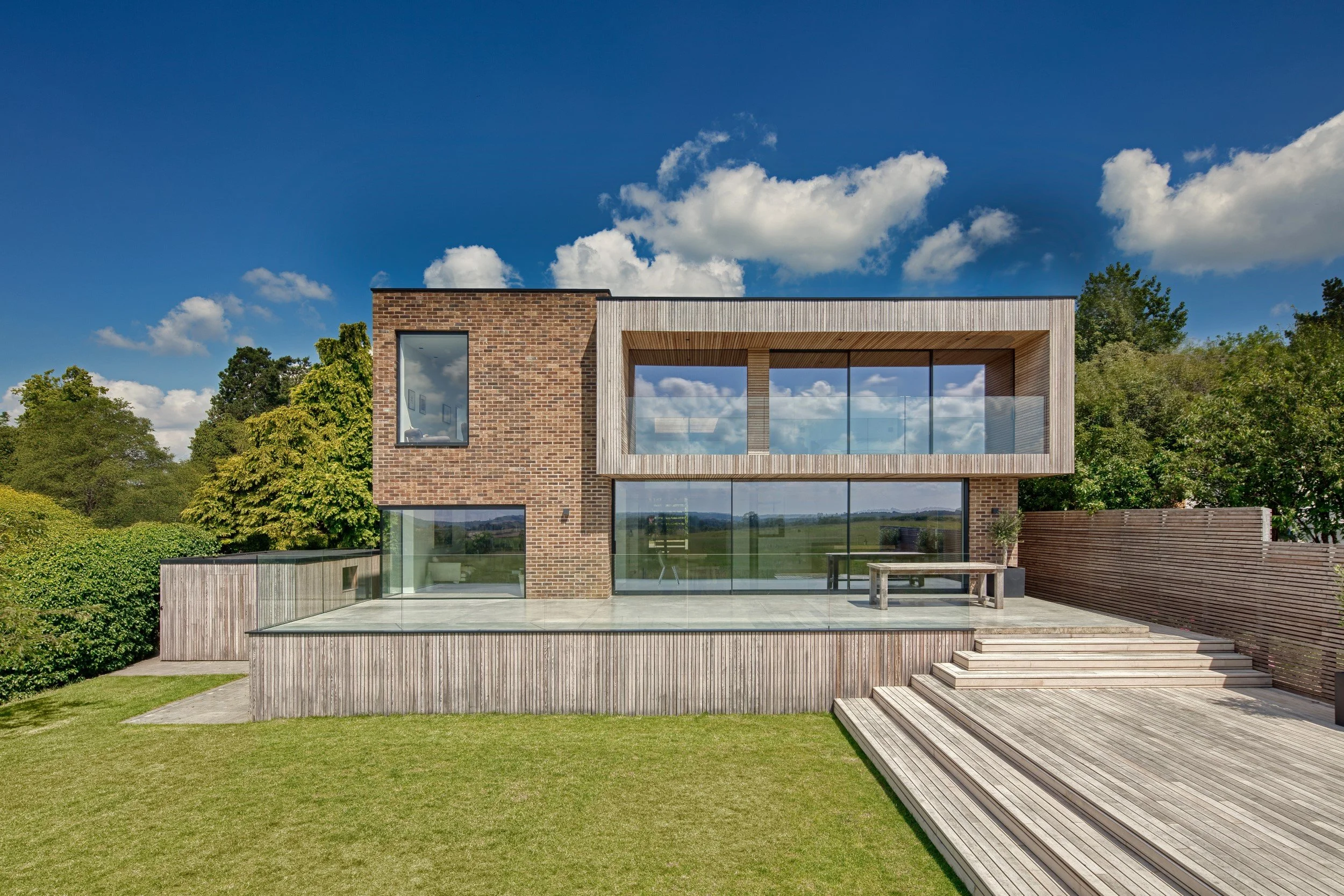
Start with how you want to live
One of the most useful questions to ask yourself is not “What rooms do I want?” but:
“How do I want to live in this house?”
Think about how you use your home now and what you would like to change.
Perhaps you want a kitchen that becomes the social heart of the house. Maybe you want stronger connections to the garden, better natural light, a quiet home office or spaces that allow children and adults to have their own areas.
Consider questions such as:
How do you spend most of your time at home?
Do you entertain regularly?
Do you work from home?
Do you need spaces that can adapt over time?
How important are views and connections to the garden?
Do you want areas for privacy and retreat?
Are there hobbies or activities that require dedicated space?
What currently frustrates you about your home?
These answers often tell an architect far more than simply listing the number of bedrooms and bathrooms you require.
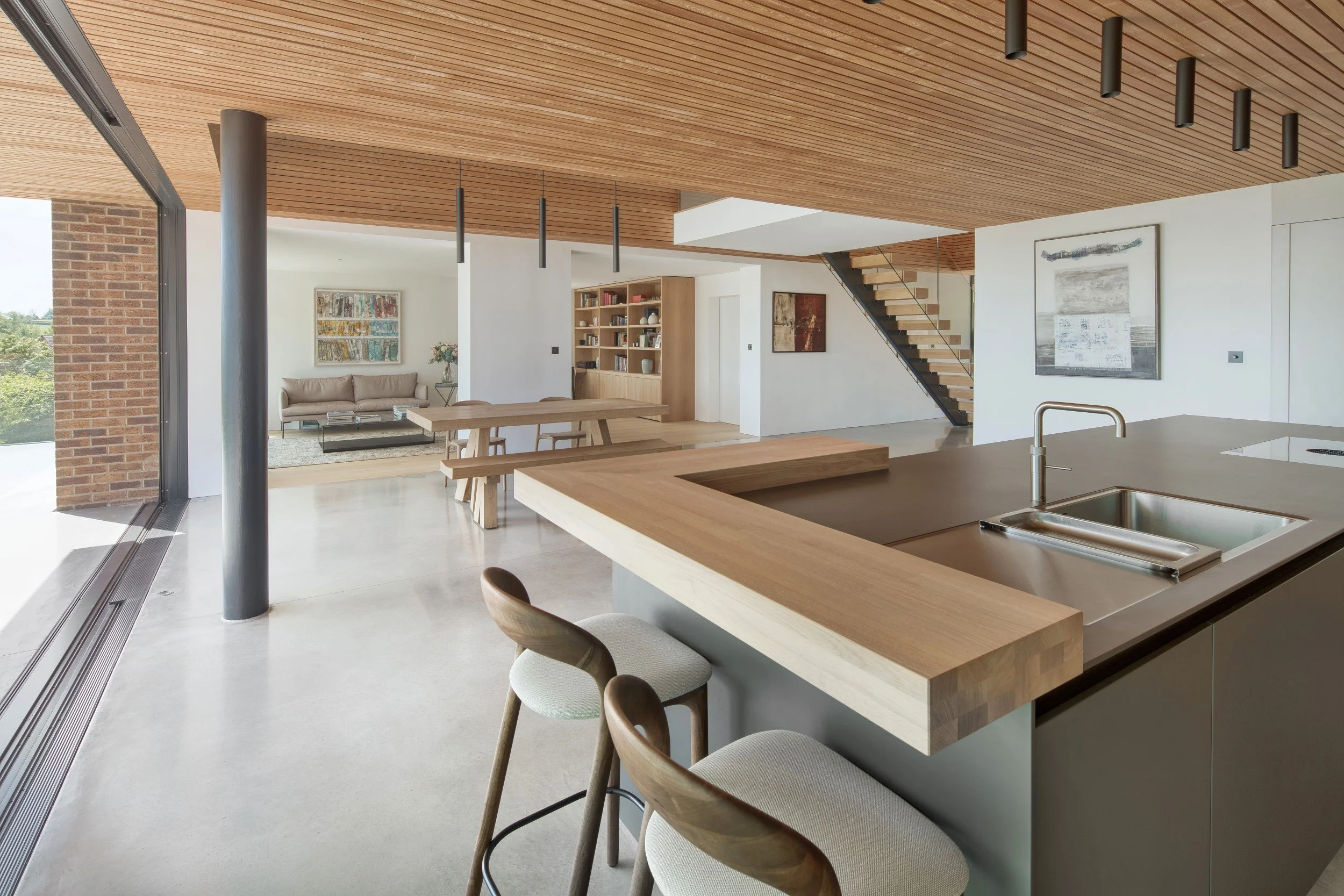
Separate your needs from your wishes
It is helpful to divide your brief into essential requirements and desirable additions.
For example, you may need:
Four bedrooms
A home office
A utility room
Two bathrooms
Parking for two cars
But you may also want:
A boot room
A gym
A cinema room
A walk-in wardrobe
A swimming pool
A large entertaining space
This distinction becomes particularly important when working within a fixed site, planning constraints or budget.
A good architect can help you establish priorities and find creative ways to accommodate the things that matter most.
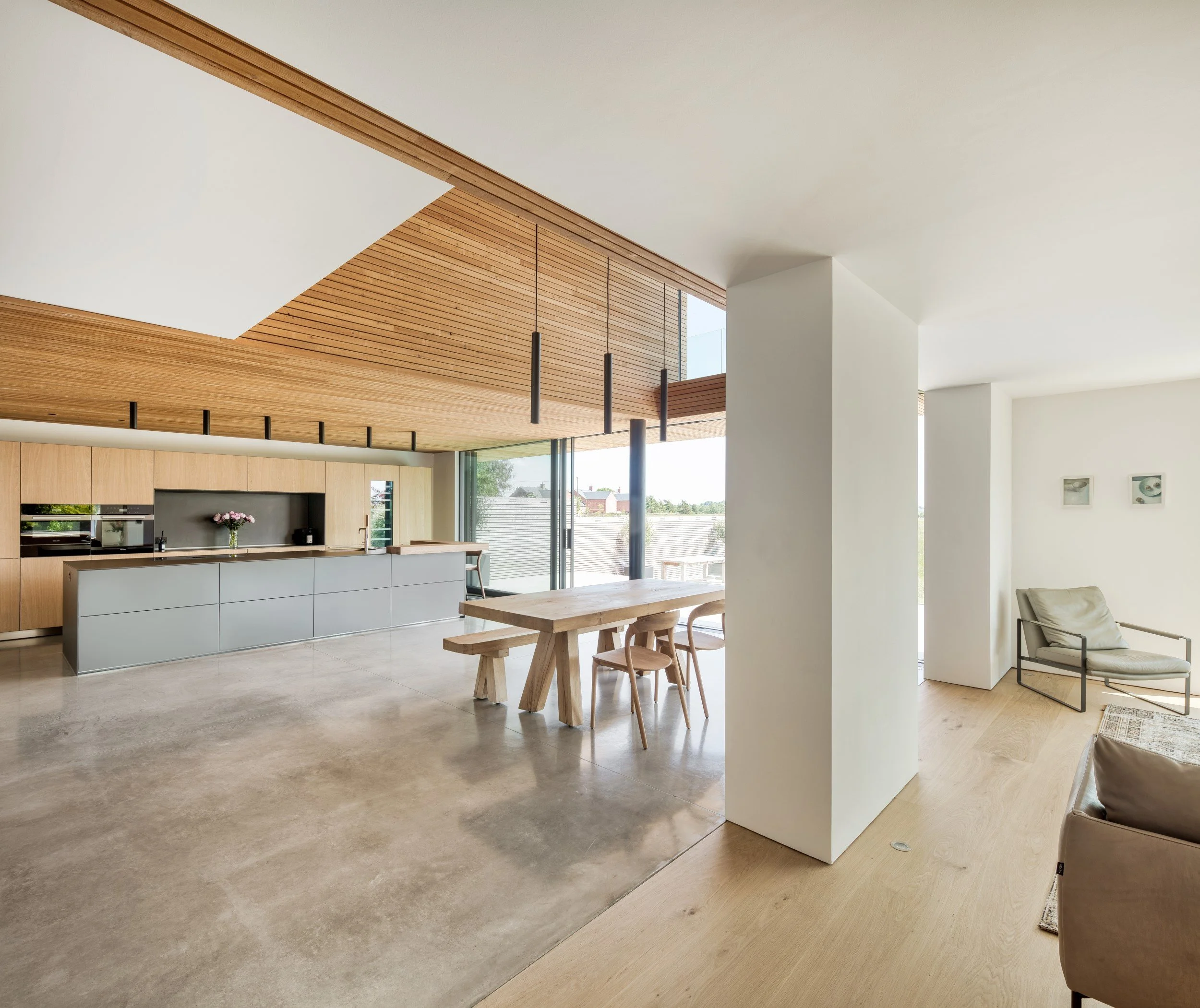
Think beyond floor area
It is tempting to start with a target such as “We want a 400m² house.”
However, floor area alone doesn't determine how successful a home will be.
A carefully planned 250m² house can feel significantly more spacious and enjoyable than a poorly planned 350m² house.
Instead of concentrating solely on overall size, think about quality of space.
Do you want generous ceiling heights? Long views through the house? Large openings to the garden? A dramatic entrance? More intimate spaces for relaxing? A strong relationship between the kitchen, dining and living areas?
These aspirations can influence the architecture just as much as the number of square metres.
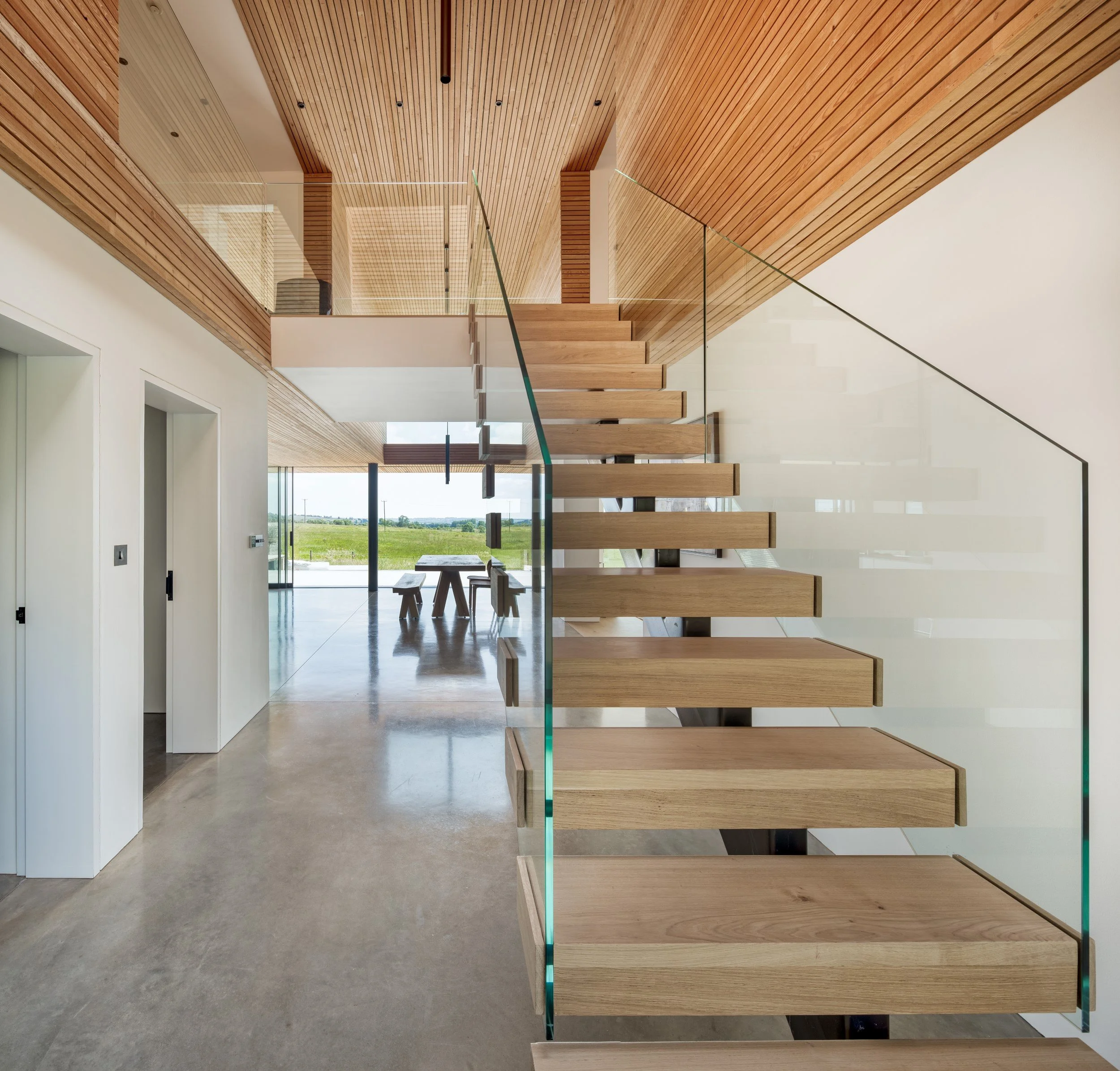
Let the site inform the brief
Your site is one of the most important ingredients in the design process.
Before deciding exactly what the house should look like, consider what the site is already telling you.
Where does the sun rise and set? Where are the best views? Are there mature trees? How does the land slope? Where are the neighbouring properties? Are there existing buildings or landscape features worth retaining?
There may also be planning designations or constraints to consider, particularly for rural and heritage properties.
A site in an Area of Outstanding Natural Beauty, for example, may require a very different approach from an urban infill site. A listed building or historic property will introduce another set of considerations.
At AR Design Studio, we take a landscape-led approach, using the characteristics of each site to help shape the architecture rather than trying to impose a predetermined house design onto it.
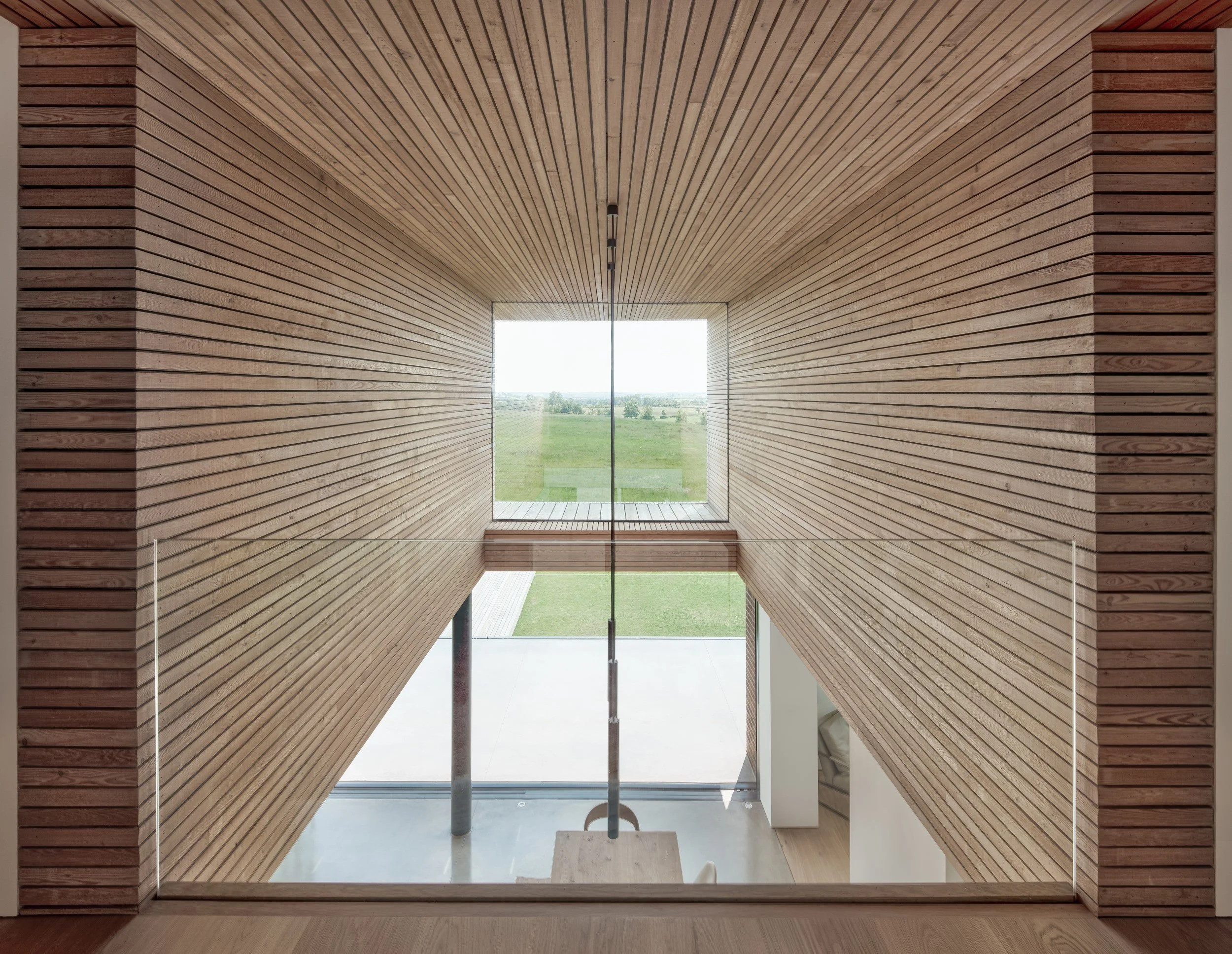
Don't be afraid to talk about style
You don't need to arrive with a fully formed architectural style in mind.
However, it is useful to communicate what you are naturally drawn towards.
Create a collection of images that appeal to you. These might include houses, interiors, landscapes, materials, furniture or even hotels and places you have visited.
Think about what you like about each image.
Is it the natural materials? The simplicity? The connection with the landscape? The amount of glazing? The warmth of the interior? The way old and new elements have been combined?
This is much more useful than simply saying you want a “modern house” or a “traditional house”.
Your architect can then interpret these preferences rather than simply copying a particular style.
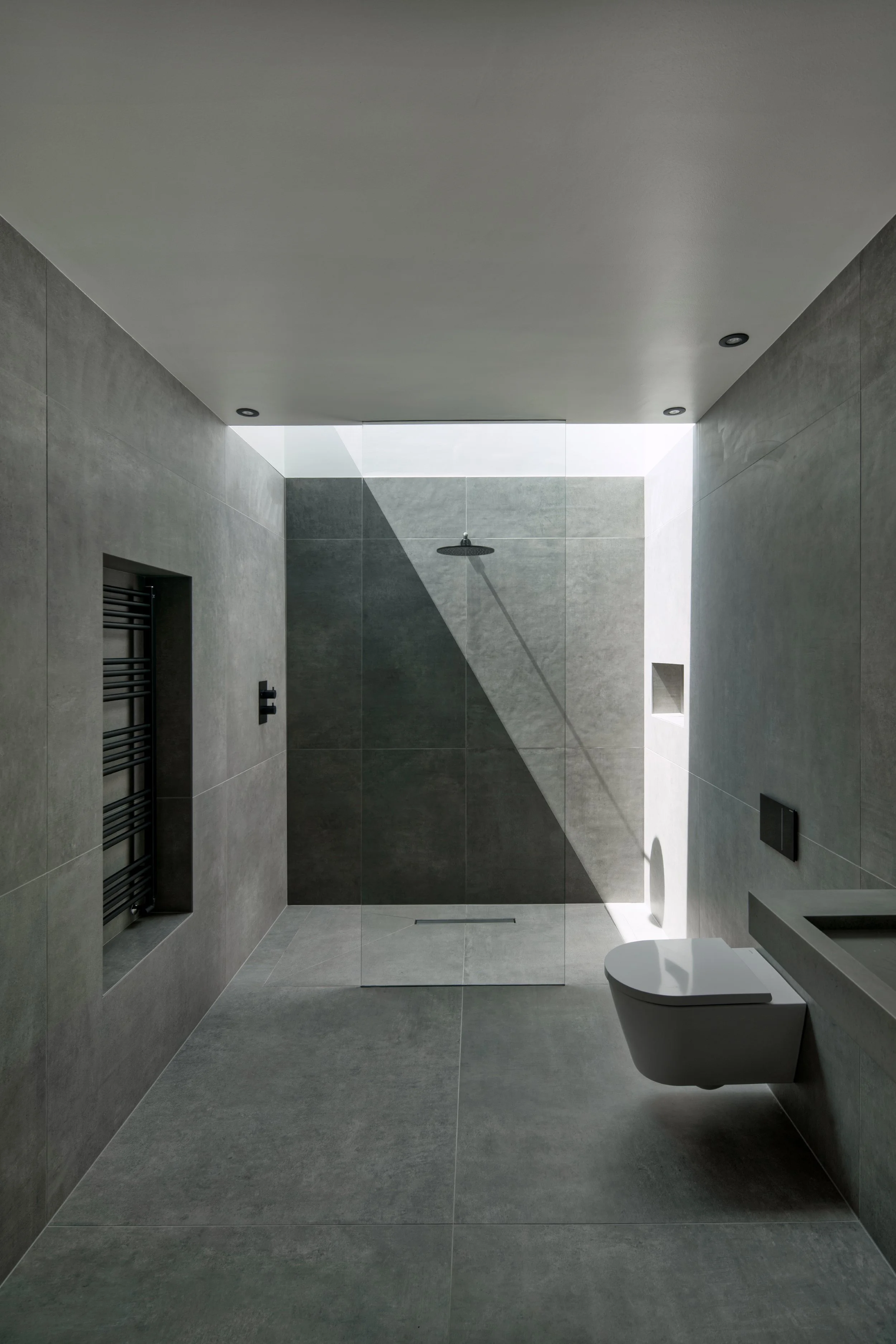
Be honest about your budget
Budget is an essential part of the brief and should be discussed early.
It is much better to establish a realistic budget at the beginning of a project than to design a house based on assumptions that later prove unaffordable.
Your budget should consider more than just the construction cost. Depending on the project, you may also need to allow for professional fees, planning and statutory fees, surveys, consultants, landscaping, kitchens, bathrooms, specialist installations, furniture and contingency.
A good architect can help you understand the relationship between your aspirations, the size and complexity of the project and the available budget.
The earlier this conversation happens, the more opportunities there are to make informed decisions.
Consider the future
Your brief should reflect not only how you live today, but how you might live in five, ten or twenty years.
For a forever home, this might mean considering accessibility, adaptable spaces, changing family circumstances or the possibility of working from home.
Even if you are designing a property for investment or eventual sale, flexibility can add value. Spaces that have multiple potential uses can make a house more appealing to a wider range of future occupants.
The best briefs therefore look forwards as well as backwards.
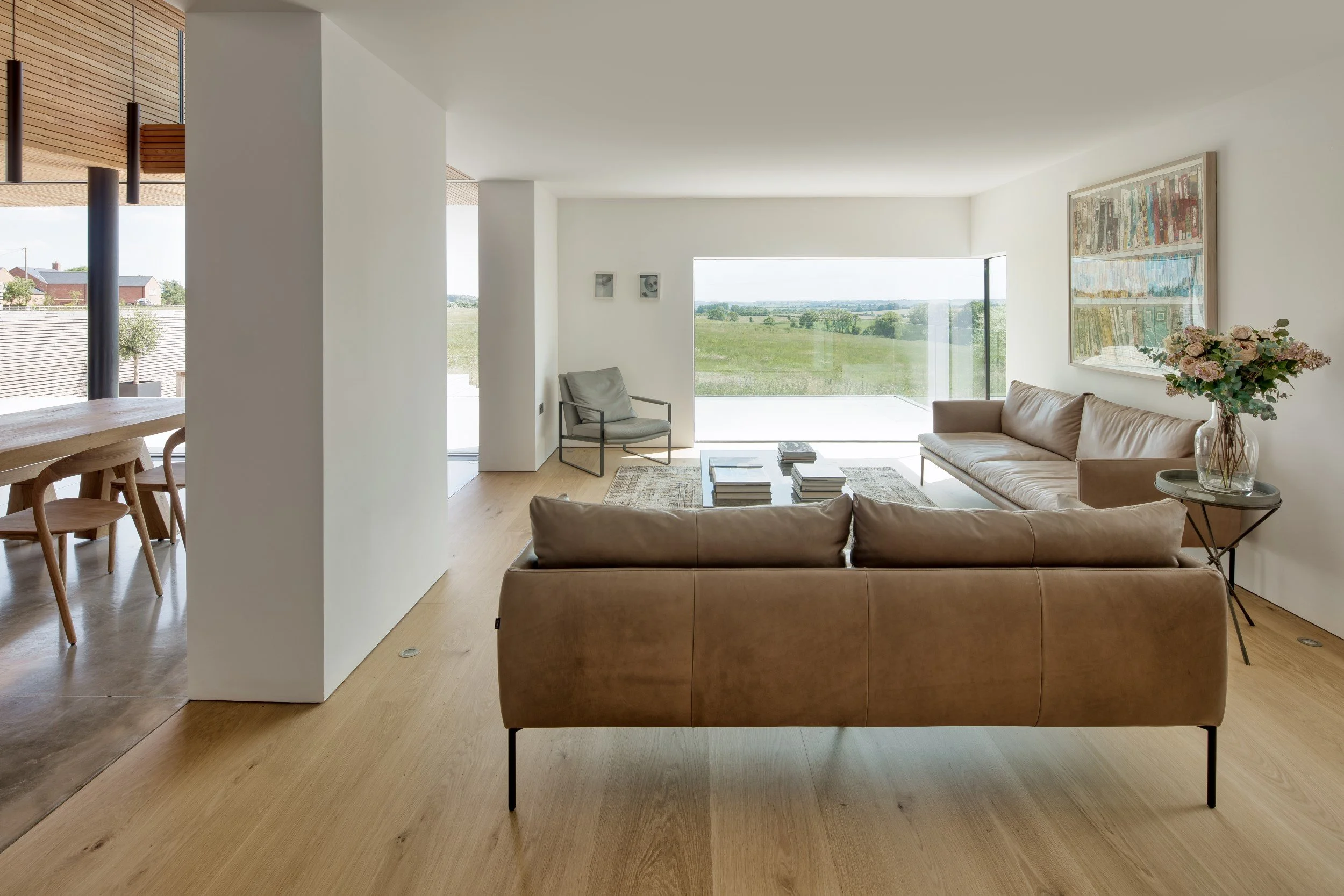
The best briefs create better architecture
A strong design brief isn't about telling your architect exactly what to draw.
It is about giving them a clear understanding of who you are, how you want to live, what you value and what you want the project to achieve.
When combined with a thorough understanding of the site, planning context and budget, this creates the foundation for architecture that feels genuinely personal rather than simply being a collection of rooms.
At AR Design Studio, we begin every project by listening. Understanding the brief is one of the most important parts of our role, because the most successful homes are those where the architecture grows naturally from the people who live there and the place they have chosen to build.